
BUSH SPORTS TURF Clientele
Bush Sports Turf proudly serves professional fields, colleges, K–12 schools, municipalities, clubs, turf managers, business owners, & parks and rec organizations.
Baseball Fields
Football Fields
Soccer Fields
Golf Courses
Sport Complex Athletic Fields
Parks & Rec Practice Fields
Commercial Landscaping
Why Bush Sports Turf for Soccer
- 30+ years building & renovating soccer fields; agronomist and Certified Sports Field Manager (CSFM) on staff.
- Turnkey services: site evaluation, geotechnical review, drainage/base construction, shock pads, turf installation, natural sod installs, hybrid systems, line inlays, and multi‑year maintenance contracts.
- Procurement experience: RFP/spec support, pre‑bid site visits, test reporting, bonding/insurance and references for public school and municipal procurement.
- Midwest climate expertise: freeze‑thaw seam protection, snow removal best practices, and drainage designs for spring melt and heavy summer storms. (Add a Midwest project gallery or case study here.)
Soccer clients we serve — MLS, College, K–12 & Parks & Rec
- MLS / Pro clubs: Pro‑grade systems and FIFA QUALITY PRO options; coordination with club/stadium operations and league consultants. (FIFA Quality marks are commonly requested for pro installs.) (football-technology.fifa.com)
- College: Durable systems balanced for match play and heavy training loads; documentation for athletic procurement processes.
- K–12 / Youth / Community: Cost‑effective options with safety-first specs, simple O&M packages, and funding/grant support for school budgets.
- Parks & Rec: High-use municipal fields with vandal-resistant choices, ADA access, multi-sport line management, and seasonal maintenance plans to protect lifecycle value.
Natural grass vs. Artificial Soccer Turf — quick comparison
| Feature | Natural Sod (Premium) | Hybrid (Sod outfield / Turf infield or reinforced sod) | Full Synthetic Turf (3G/football-style soccer systems) |
|---|---|---|---|
| Upfront cost | Low–Moderate | Moderate–High | High |
| 10–15 year lifecycle cost (TCO) | High — irrigation, renovation, re‑sodding & labor | Moderate — lower daily costs than full sod; periodic reinforcement repairs | Low–Moderate — higher upfront, fewer weather cancellations and reduced day‑to‑day upkeep |
| Maintenance demands | High — mowing, watering, aeration, pest/disease management, repair | Moderate — combined turf & sod tasks; targeted maintenance in high‑use zones | Low–Moderate — brushing/grooming, infill management, seam checks, annual testing |
| Playability — ball roll, sliding & player comfort | Best natural ball roll and sliding feel; preferred by pro players for authenticity and cooler surface | Very close to natural where designed well; requires engineered transitions to maintain consistent ball roll and slide | Engineered, highly consistent ball roll and predictable slide; different tactile feel and slightly faster ball speed than sod |
| Weather resilience & recovery time | Poor–Moderate — slow recovery after heavy rain or spring thaw; closures likely | Improved recovery in high‑use zones; overall field recovery depends on sod areas | Excellent — rapid drainage and fast return to play when installed with proper Midwest drainage |
| Scheduling flexibility (approx. usable hrs/week) | ~20–40 hrs/week (climate & maintenance dependent) | ~40–80 hrs/week | ~60–120+ hrs/week (tournament & multi‑use ready) |
| Heat & surface temperature | Cooler — natural evapotranspiration reduces surface temps | Moderate — depends on percentage of synthetic area and irrigation practices | Higher surface temps possible; cooling strategies (irrigation, reflective infill, shade) recommended |
| Typical warranty & lifespan | Sod establishment warranty; frequent renovation cycles (5–10 years for heavy-use sites) | Varies by system; reinforced elements often 8–12 years | 8–15+ years with proper maintenance and infill management |
| Ideal clients | Pro stadiums and clubs prioritizing authentic feel and player preference | Colleges, performance centers, parks seeking balance of feel and durability | K–12, Parks & Rec, tournaments, training complexes, many pro training sites wanting high availability |
Notes: This soccer‑focused table highlights differences in ball roll, sliding and player comfort. Final costs and lifespan depend on site prep/drainage, frequency of use, Midwest freeze‑thaw exposure, chosen infill/shock pad, and installation quality. For Midwest sites, design robust drainage for spring melt and summer storms, specify seam/backing durability for freeze‑thaw, and use snow removal best practices (rubber‑edged pushers; avoid metal blades). Consider FIFA/ASTM/STMA guidance for pro-level installs and annual testing for performance and safety.
Performance & soccer‑specific specs
Typical design targets we specify for soccer fields:
- Pile height: commonly 40–60 mm (varies by system and desired ball roll).
- Infill: sand + rubber / TPE or coated sand / organic blends depending on playability, safety and procurement needs.
- Ball roll & ball rebound: tuned to FIFA testing thresholds for professional and community standards where requested. (Use FIFA QUALITY / QUALITY PRO guidance for pro-level installs.) (football-technology.fifa.com)
- Gmax / shock attenuation: we design and test to industry safety guidance and maintain annual testing as part of O&M. Penn State research supports routine testing to track field aging and infill depth effects on hardness. (pure.psu.edu)
- Drainage: engineered aggregate base and turf backing to handle Midwest spring melt and heavy storms — target rapid infiltration rates per site design and RFP specs.
Installation process — turnkey & Midwest‑tested
- Pre‑build: site survey, geotech review, grading and drainage design, permit & utility coordination.
- Base work: compacted aggregate, laser-graded finish, sub-surface drainage tile if needed.
- Optional shock pad: to lower Gmax and extend turf life.
- Turf install: seam welding, line inlays or painted lines, goal-pads, and perimeter details. Final QA: Gmax testing, permeability tests and ball roll checks; deliverable test reports for RFP/owner records. (FIFA’s handbook stresses lab + field testing for professional claims.) (football-technology.fifa.com)
Maintenance & O&M
- Typical contract tasks: routine brushing/grooming, infill monitoring & top-ups, seam/edge inspections, disinfecting, and annual Gmax/drainage testing.
- Midwest snow guidance: use rubber‑edged pushers, soft brushes, or blowers; avoid metal blades and scraping tactics that damage seams/backing.
- We provide seasonal schedules and a custom O&M plan tied to usage intensity and budget; STMA guidance and BMPs inform our recommended practices. (sportsfieldmanagement.org)
Health, safety & sustainability
- Safety testing & standards: we follow FIFA / ASTM testing approaches for playability and impact attenuation and use STMA/BMPs for maintenance/testing frequency. (football-technology.fifa.com)
- Infill options and exposure concerns: crumb rubber, TPE, coated sand, and organic alternatives; we provide MSDS and third‑party testing on request.
- Sustainability & EOL: recycling options, take‑back programs, and lower‑PFAS / recyclable materials are available for clients with municipal sustainability goals.
Procurement & warranties
- RFP support: spec writing, pre‑bid site visits, prequalification, bonding and insurance documentation, and reference installations.
- Warranties: details depend on system — blade wear, UV fade and backing delamination terms; we provide clear prorated replacement schedules and lifecycle cost modeling (10–15 year TCO) in proposals. For FIFA/MLS level work, include field testing evidence and maintenance schedules in the warranty package. (football-technology.fifa.com)
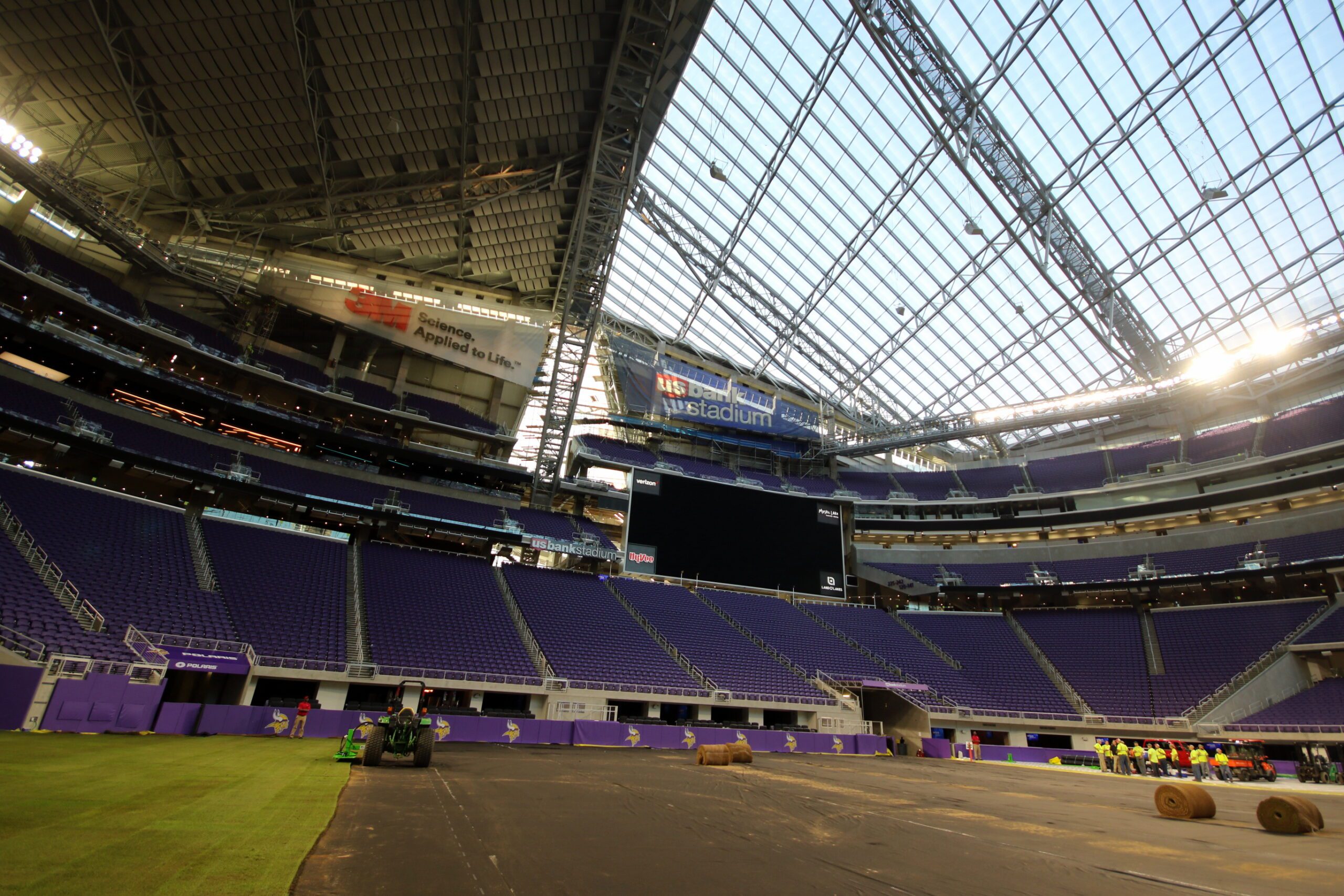
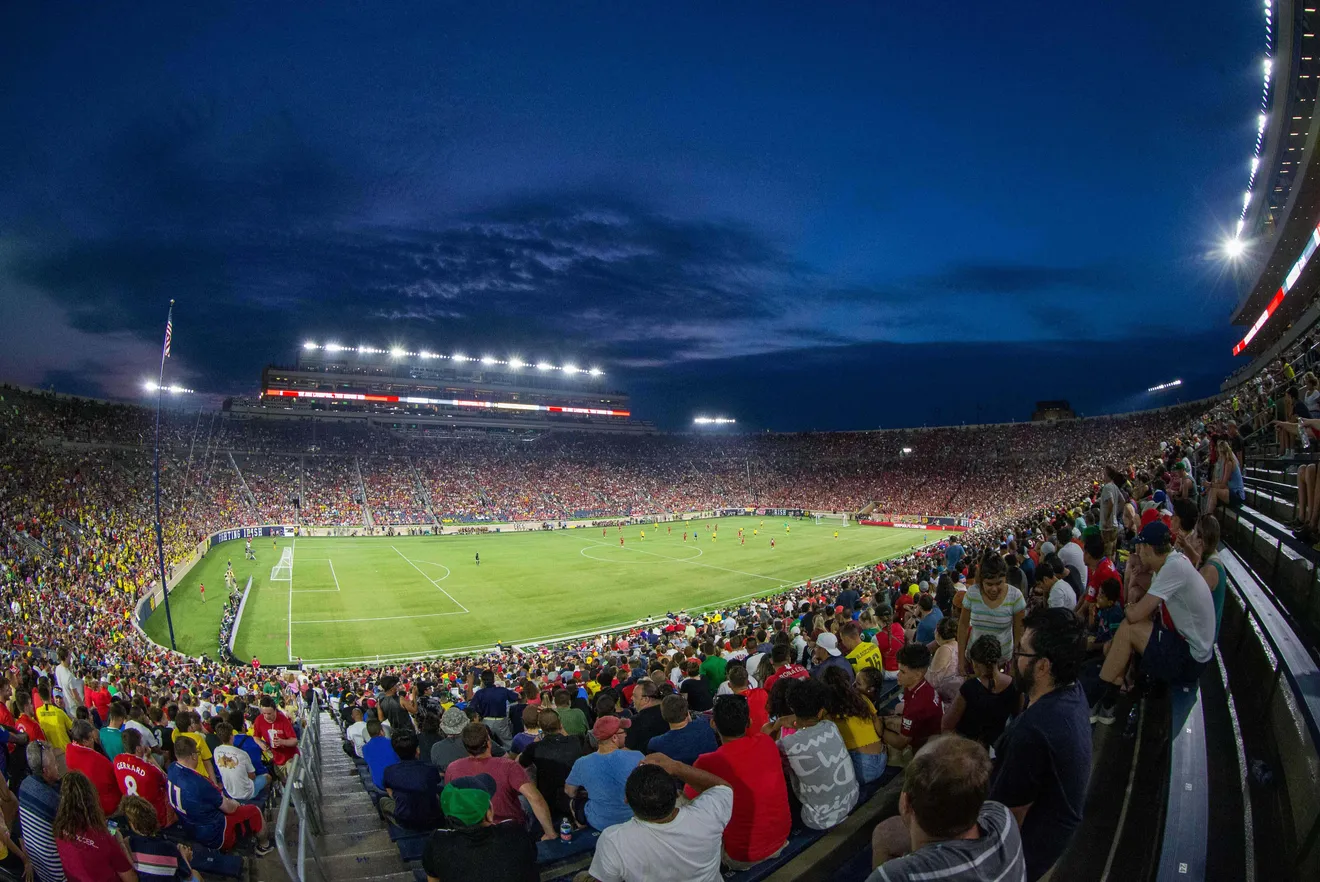
Soccer Field Turf/Grass — Portfolio & Case Studies

Frequently Asked Soccer Turf Questions
What is soccer turf?
Soccer turf (third‑generation or 3G systems) is an artificial sports surface with a resilient yarn, backing and infill (sand + rubber/TPE/organic) engineered to mimic natural grass playability while offering higher durability and use rates. FIFA’s Football Turf program defines testing for playability and safety. (football-technology.fifa.com)
How does soccer turf compare to natural grass?
Turf offers higher usage rates, faster recovery after rain, and lower daily maintenance; grass provides the traditional ball feel and cooler surface temperatures. Many owners choose hybrid systems to capture the benefits of both.
Do MLS teams use turf or grass?
Many MLS clubs use natural grass in their match stadiums, but some training facilities and multi-use stadiums use engineered turf. For professional-level installs, FIFA QUALITY / FIFA QUALITY PRO certification and stadium coordination are often requested. (fieldturf.com)
What is FIFA QUALITY / FIFA QUALITY PRO and why does it matter?
FIFA’s Quality Programme tests turf systems in the lab and after installation for ball–surface interaction, player–surface interaction, seam strength, weather resistance and service life. Pro stadiums commonly require FIFA QUALITY PRO certification for elite match play. (football-technology.fifa.com)
How long does soccer turf last?
With proper maintenance, most modern 3G systems last 8–15+ years depending on use, infill management and climate. Penn State research shows field age and infill depth affect surface hardness and lifespan—annual testing helps track this. (pure.psu.edu)
Is synthetic soccer turf safe for players?
Safety depends on correct design, infill, shock attenuation and maintenance. We follow FIFA/ASTM/STMA guidance and perform routine Gmax testing to manage surface hardness and safety. (football-technology.fifa.com)
How do you manage heat on synthetic soccer fields?
Cooling strategies: irrigation cooldowns, shade, reflective/coated infills, and scheduling play outside peak heat. Penn State studies document irrigation’s effect on turf temperature. (plantscience.psu.edu)
Can you mix natural and synthetic (hybrid) for soccer?
Yes — hybrid systems (reinforced natural turf or synthetic training fields with natural match turf) are common for facilities that want natural match feel and synthetic durability for training/high‑use areas.
How much does a soccer turf field cost?
Installed cost varies with scope (full field vs training vs hybrid), drainage/base work, shock pad and infill choice. We perform site assessments and provide 10–15 year lifecycle cost models to compare options.
How often should a turf field be tested?
Industry practice is at least annual Gmax and drainage testing, plus inspections after heavy storms and before high‑use events. STMA BMPs and Penn State research recommend routine testing and monitoring. (sportsfieldmanagement.org)
More About Bush Sports Turf Services
Business Address: 6800 78th Ave W, Milan, IL 61264
Business Phone: +13097872676
Business Hours: Monday – Friday, 7am – 5pm
Soccer Turf Company Reviews:
See why we are the top soccer turf company
Google Reviews
Facebook Reviews
You may have found us by searching for some other common Soccer Turf services:
Sports Field Construction
Sports Field Renovation
Sports Field Conversion
Sports Field Optimization
Sports Field Consulting
Some of the areas we’ve served:
Illinois Turf
Indiana Turf
Iowa Turf
Michigan Turf
Minnesota Turf
Missouri Turf
Wisconsin Turf